


 00:30
00:30


The basic cause of obesity and overweight is an energy imbalance between calories consumed and calories expended and maintaining your current body weight indicates you
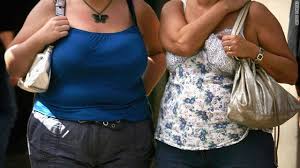
are in caloric balance and to gain or lose weight, will need the balance scale to tip in one direction or another to achieve a goal.Obesity is one of the biggest health problems in the world.It travels with various other diseases, which combined kill millions of people per year.
These diseases include diabetes, cardiovascular disease, cancer, stroke, dementia and various others.


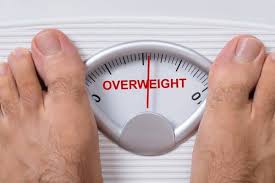
are in caloric balance and to gain or lose weight, will need the balance scale to tip in one direction or another to achieve a goal.Obesity is one of the biggest health problems in the world.It travels with various other diseases, which combined kill millions of people per year.
These diseases include diabetes, cardiovascular disease, cancer, stroke, dementia and various others.
Energy intake
The total amount of food that your body needs depends on your age, sex, body size, level of physical activity and whether you are pregnant or breastfeeding.
Your body converts the protein, fat and carbohydrate in food to energy. Fat is the most concentrated source of energy. Visit eatforhealth.gov.au to calculate your individual energy requirements.
Energy intake from food varies greatly between individuals. For example, in 2011-12, intake ranged from about 6,000 kilojoules for children aged 2-3 to about 9,000 kilojoules for adolescents aged 14-18. For adults aged 19 and over, the average intake for men was about 10,000 kilojoules and for women was about 7,500 kilojoules.
Genes and Family History
Studies of identical twins who have been raised apart show that genes have a strong influence on a person's weight. Overweight and obesity tend to run in families. Your chances of being overweight are greater if one or both of your parents are overweight or obese.
Your genes also may affect the amount of fat you store in your body and where on your body you carry the extra fat. Because families also share food and physical activity habits, a link exists between genes and the environment.
Children adopt the habits of their parents. A child who has overweight parents who eat high-calorie foods and are inactive will likely become overweight too. However, if the family adopts healthy food and physical activity habits, the child's chance of being overweight or obese is reduced.
Energy expenditure
The human body expends energy in 3 ways:
- basal metabolism (the energy used to maintain vital body processes)
- thermic processes (the energy taken to digest and absorb food)
- physical activity (the energy used to move around).
Physical activity is the most variable component of energy expenditure, and the main component a person has control over. For a normally active person, physical activity contributes about 20% to daily energy expenditure.
Lack of Energy Balance
A lack of energy balance most often causes overweight and obesity. Energy balance means that your energy IN equals your energy OUT.
Energy IN is the amount of energy or calories you get from food and drinks. Energy OUT is the amount of energy your body uses for things like breathing, digesting, and being physically active.
To maintain a healthy weight, your energy IN and OUT don't have to balance exactly every day. It's the balance over time that helps you maintain a healthy weight.
- The same amount of energy IN and energy OUT over time = weight stays the same
- More energy IN than energy OUT over time = weight gain
- More energy OUT than energy IN over time = weight loss
Overweight and obesity happen over time when you take in more calories than you use.
Sugar
In my opinion, sugar is the single worst part of the modern diet.The reason is that when consumed in excess, sugar changes the hormones and biochemistry of the body, contributing to weight gain.Added sugar is half glucose, half fructose. We get glucose from all sorts of foods, including starches, but we get the majority of our fructose from added sugars.Excess fructose consumption causes insulin resistance and elevated insulin levels . It may cause leptin resistance, at least in rats . It also doesn’t cause satiety in the same way as glucose .All of these contribute to energy storage and ultimately, obesity
Medicines
Certain medicines may cause you to gain weight. These medicines include some corticosteroids, antidepressants, and seizure medicines.
These medicines can slow the rate at which your body burns calories, increase your appetite, or cause your body to hold on to extra water. All of these factors can lead to weight gain.
0 comments:
Post a Comment